
Our Impact
Rapid Rehousing Program
MCEDV launched our Rapid Rehousing Program in 2022 with funds from the U.S. Department of Housing and Urban Development Continuum of Care Domestic Violence Bonus Funds. The program, which is a partnership between MCEDV and our members, provides safe and stable housing to survivors who are fleeing or attempting to flee, domestic violence, dating violence, sexual assault, or stalking. Since its inception, the program has served over 200 people. Most are children.
The grant pays for rent for up to two years, plus additional supports that many survivors need, like attorney fees, moving costs, car repairs, and groceries. It also funds advocates at five of our member resource centers who secure housing for survivors, establish connections with landlords, ensure quality dwelling units, and provide holistic wraparound support to those in the program.
MCEDV has expanded the Rapid Rehousing Program twice. Today, our grant is one of the largest Continuum of Care grants in Maine. Through this competitive grant program, MCEDV has successfully brought millions in federal housing dollars to Maine to help address our housing crisis. In many parts of the state, our program is the only readily accessible resource for safe and stable housing for survivors and their children.
In 2026 we are applying for renewal funding that would allow us once again to expand and bring on all of our member organizations as grant partners. With housing vouchers continuing to be in short supply, we hope we are successful in sustaining and growing this impactful program.
Training Institute
MCEDV’s Training Institute prepares systems and institutions to respond to domestic abuse and violence. We offer training, consultation, and technical assistance to statewide and multi-regional entities. At the local level, we support our membership to provide these same services in their communities across Maine.
From general education and awareness-building around the issue to highly specialized policy development and focused problem-solving, we work to coordinate a response in our communities that supports victims to be safe and holds people who abuse accountable.
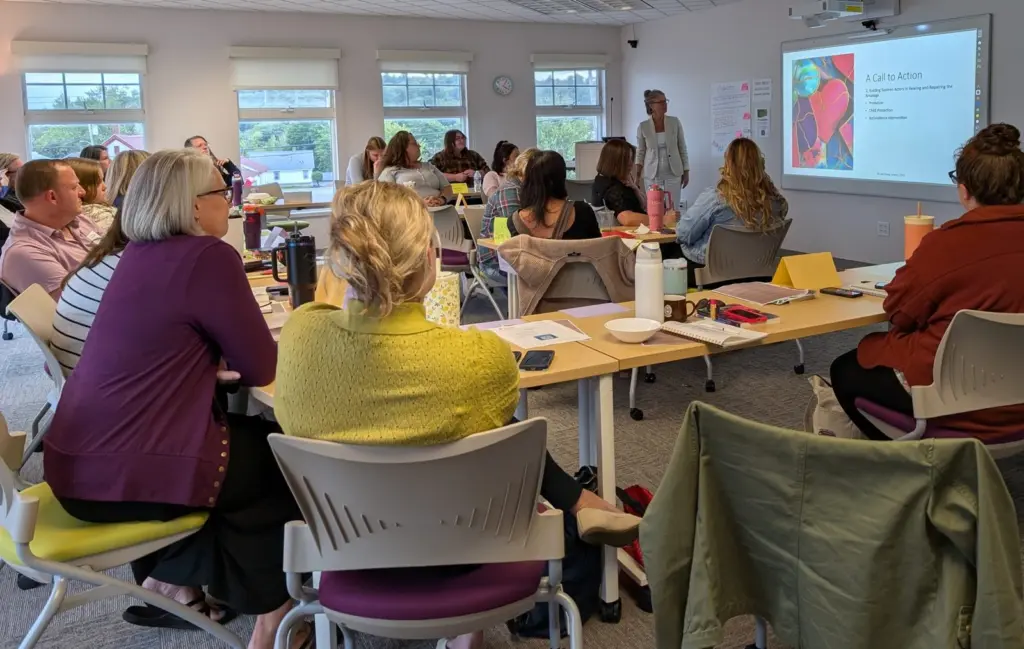
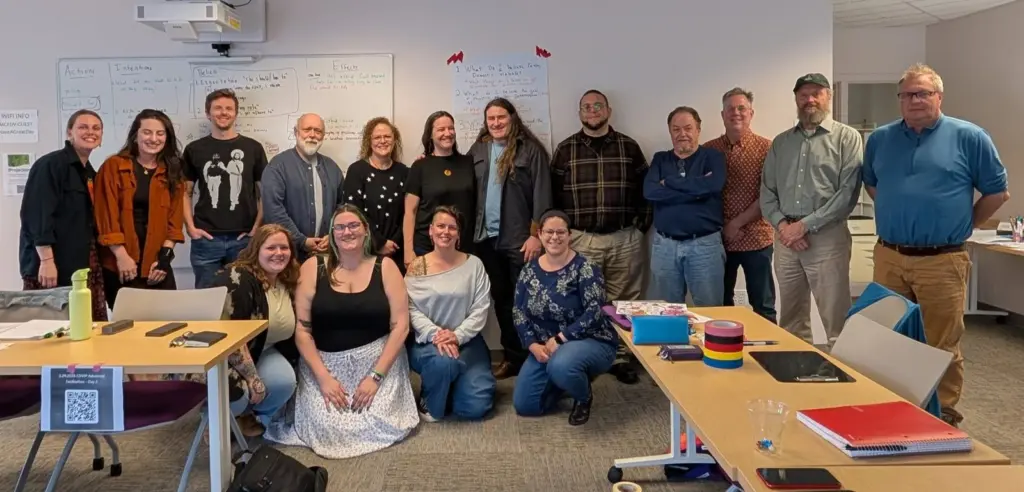
MCEDV’s Training Institute serves a variety of statewide audiences, including:
- Medical professionals
- Employers
- Child welfare professionals
- Law enforcement
- Judges and other court professionals
- Mental & behavioral health professionals
- Domestic violence advocates
- Certified Domestic Violence Intervention Program facilitators
We provide topic-specific training on request as our capacity allows. For information about statewide or multi-regional options available through MCEDV, please email us at info@mcedv.org.
For information about options available on the community level, please contact your local Domestic Violence Resource Center.
Public Policy
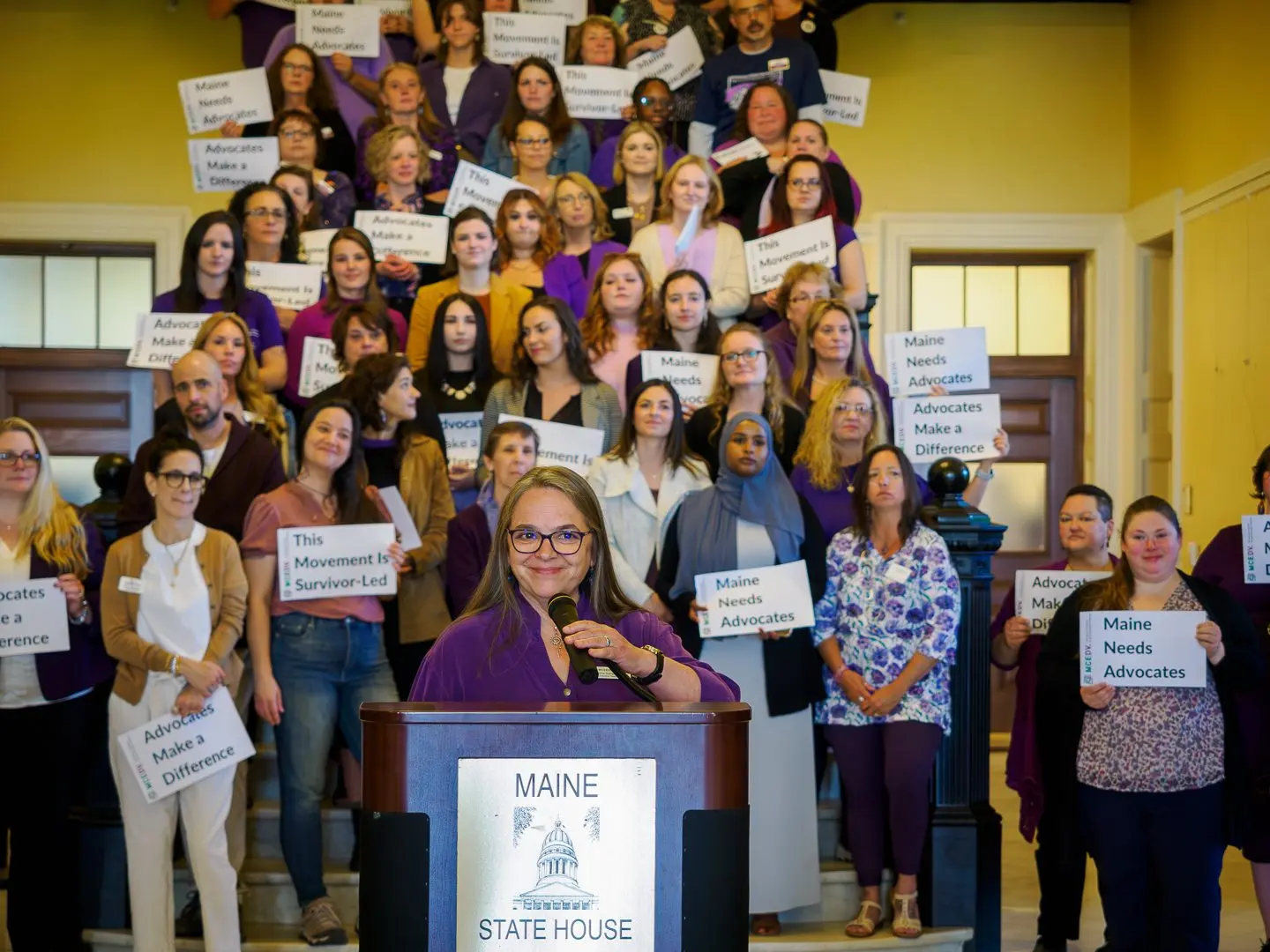
MCEDV is a leading voice advocating for changes to state and federal laws that impact the lives of Maine survivors, and for resources to support our state’s response to abuse and violence.
But our public policy work doesn’t stop there.
MCEDV’s public policy agenda is focused on a holistic view of what survivors need to be safe: Housing. Healthcare. Economic justice. Supports for children. Human and civil rights. Accountability for people who abuse. And access to relief through both the civil and criminal legal systems.
In our public policy work, we seek to…
- Advocate with both Congress and the Maine Legislature for policies, programs, and funding that will make survivors safer.
- Engage in crafting rules, regulations, and guidance to ensure our laws have the effect we intend.
- Work with partners to address roadblocks that exist within their systems.
- Support survivors to bring their voices forward in the process.
Learn more in our legislative reports:
- 132nd Maine Legislature, Second Session (2026)
- 132nd Maine Legislature, First Session (2025)
- 131st Maine Legislature, First & Second Sessions (2023 & 2024)
Children & Families
Maine data consistently indicates that about 50% of the survivors accessing Domestic Violence Resource Center services share children with the person who has abused them. Most parents helped by DVRCs rely on a broad collection of people, institutions, and processes to respond to and meet the individual needs of their children.
MCEDV oversees several programs that focus on the safety and wellbeing of children, including:
Domestic Violence-Child Protective Services Program:
This program embeds advocates with expertise in child welfare to work with survivor-parents who are engaged with Child Protective Services across the state. This program is a longstanding initiative of MCEDV, the regional DVRCs, and Maine’s Department of Health and Human Services. It is funded through DHHS and an Office on Violence Against Women Rural Grant.
Safe & Accountable Family Education (SAFE) Program:
Most parenting programs ordered by family courts fail to account for the dynamics of coercive controlling behavior that makes a co-parenting relationship between a survivor and the person who abuses them dangerous. Through SAFE, MCEDV is collaborating with Cumberland County member Through These Doors and the Catherine Cutler Institute to develop a parenting curriculum that recognizes and supports courts and families to respond to those dynamics. The project is funded by a competitive grant from the Office on Violence Against Women.
Pre-Petition Legal Representation Project:
Also funded through an Office on Violence Against Women grant, this project provides attorneys to survivor-parents who are navigating Child Protective Services’ response because of domestic abuse and violence in two counties: Aroostook and Androscoggin. It is a collaboration between MCEDV, the Catherine Cutler Institute, Safe Voices, Hope & Justice Project, and numerous private attorneys. This program provides early support to meet the needs of survivors and create pathways to safety and stability for themselves and their children.
In addition, MCEDV works to ensure statewide organizations and systems recognize the source of harm and need for accountability for parents who have been abusive to their partner and/or children, and uplift access to tangible resources that mitigate the impact of abuse and violence. We bring survivors’ perspectives to several statewide multidisciplinary groups concerned with the health and wellbeing of children: Maine’s Child Death and Serious Injury Panel, Child Welfare Advisory Panel, and Maternal, Fetal, and Infant Mortality Review Panel.
Paid Family Medical Leave & Safe Leave
MCEDV is a proud member of the Maine Paid Leave Coalition. Maine’s paid leave law went into effect May 1, 2026. This program allows most Maine workers to take extended time off from work to care for themselves or their families, without losing their source of income. This law is an important contribution to economic justice for all Mainers, including survivors.
In addition, the Safe Leave provision allows victims of domestic and sexual violence to take paid time off for activities necessary to address the impact of abuse, including things like getting medical care, taking a child to a counselor, attending court hearings related to the abuse, and missing work to move to a safer location. While Maine law has long allowed survivors to take leave to attend to safety concerns, that leave previously was unpaid. Maine’s 2023 law provides important support to ensure survivors can do what they need to do – and not lose their means of economic support because of it.